Contexto
A história começou há 8 anos. Esta renomada empresa australiana de engenharia hidráulica, localizada na Austrália Ocidental, é especializada em óxido de cobre preto.
Para otimizar a gestão da água, conservar água e reduzir o desperdício de energia, a fábrica decidiu recuperar a água de retrolavagem do seu sistema de ultrafiltração (UF) existente.
A água de lavagem recuperada seria refiltrada por UF e convertida em água de alimentação para osmose reversa. A capacidade de entrada do sistema é de 8 m³/h e a capacidade de produção deve atingir 4 m³/h.
Antes de iniciar este projeto, precisávamos entender claramente os requisitos e objetivos do nosso cliente. Através de um levantamento, identificamos os seguintes requisitos principais:
- Restrições de espaço
- Requisitos de qualidade da água de alimentação
- Requisitos de qualidade da água de produção
- Todo o processo
- Estimativa de orçamento
- Projeto completo
Nosso cliente é um profissional especializado em qualidade da água de alimentação. Ele preencheu uma planilha de análise com os dados de qualidade da água de entrada, o que nos ajudou a confirmar rapidamente os materiais da membrana de UF.
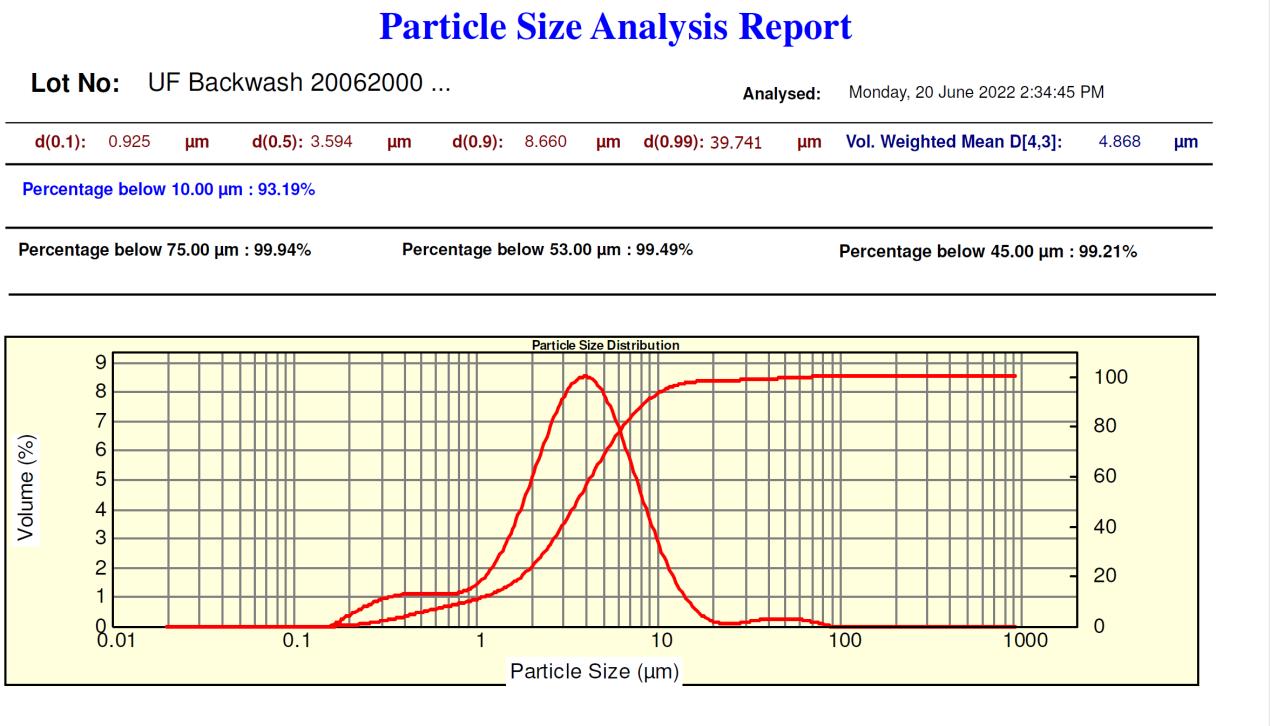
A partir da tabela abaixo, determinamos que o tamanho das partículas era, em sua maioria, em torno de 10 µm, representando 93,19%.
Com base na qualidade da água de entrada e no uso da água de saída, escolhemos o próximo elemento de ultrafiltração.
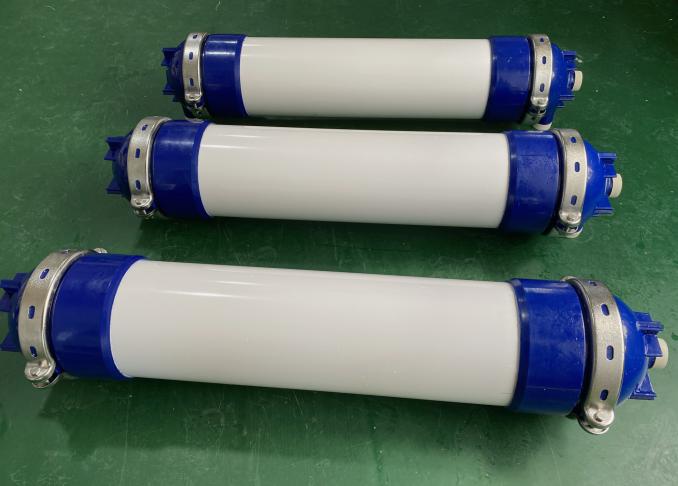 |
STAUF200B-PVDF
Material da membrana: PVDF reforçado
Área da membrana: 34㎡
Modo de operação: De fora para dentro
Dimensões: 200 x 1900 mm
Tamanho da conexão: DN50 |
Desafio
O principal fator que preocupava nosso cliente era a capacidade de produção da membrana de ultrafiltração (UF). Quando se trata de capacidade de produção, é realmente difícil fornecer um número exato.
No entanto, existem muitos fornecedores de UF no mercado que divulgam diretamente sua capacidade de produção e garantem um valor numérico para ela.
Incentivamos nossos clientes a não aceitarem essa informação sem questionar e a investigarem a veracidade dos dados com base em fatos concretos.
Os dados de capacidade de produção podem variar devido a dois fatores:
- A qualidade da água de entrada será completamente diferente dependendo se é água de rio, água de poço (água subterrânea rasa) ou água do mar. Por exemplo, em alguns módulos de UF, a capacidade de produção varia do início ao fim do processo.
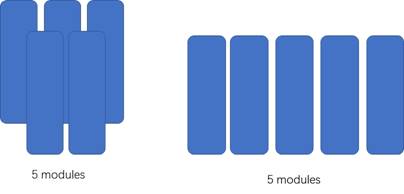
- É influenciada pelo método de instalação.
Após uma comparação entre o pacote completo de UF e os produtos físicos que o cliente precisaria construir no local,
Considerando os custos de mão de obra local e outros custos relacionados ao projeto, o diretor de engenharia do centro optou pelo sistema completo de UF.
Solução
Vamos começar com o projeto (normalmente, o projeto será concluído em até 5 dias úteis após a confirmação do projeto).
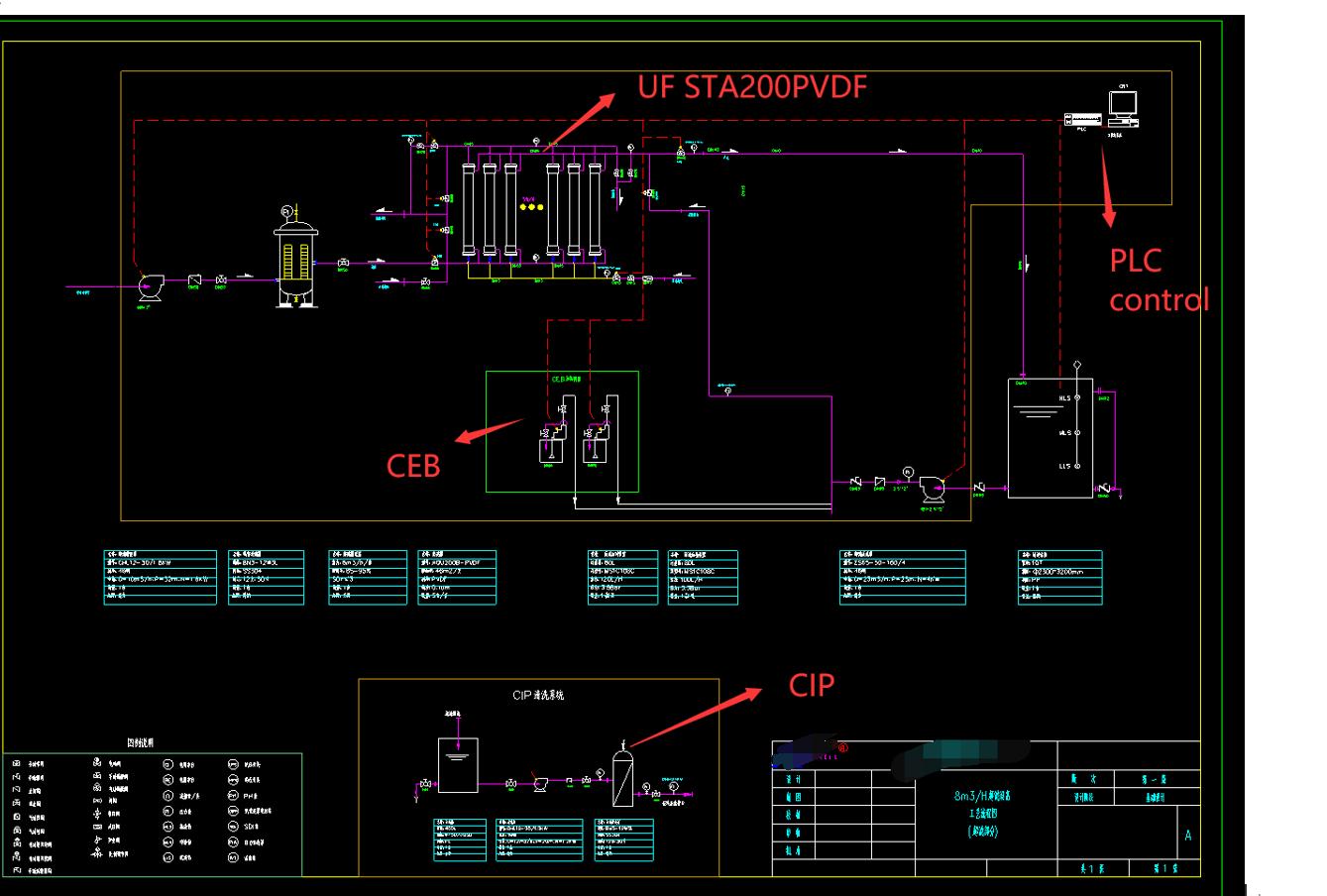
O sistema de UF consiste nas seguintes 5 partes principais:
- Módulo de UF
- CEB
- CIP
- Sistema PLC
- Bomba de alimentação de água
- Acessórios (válvulas, tubos, conexões). Para cada peça de reposição, a Keya (empresa irmã da Brother Filtration) fornecerá uma lista de peças bem detalhada com a quantidade correspondente.
A partir do desenho acima, podemos resumir três pontos-chave do nosso projeto.
- • Escolhemos o aço inoxidável 304 como matéria-prima para a bomba d’água. Inicialmente, nosso cliente desejava utilizar bombas de aço inoxidável 316L devido à qualidade da água. Bombas personalizadas de aço inoxidável 316L eram conhecidas por serem caras e excediam o orçamento. Portanto, testamos o aço inoxidável 304 na entrada deste projeto e os resultados mostraram que ele era adequado para lidar com essas condições.
- Em relação aos componentes do CEB, apenas a porção fortemente alcalina foi mantida, e a porção ácida foi eliminada. De acordo com o estudo de nossa equipe técnica, a porção ácida do CEB não desempenhava um papel significativo na planta de ultrafiltração existente. Apenas a porção fortemente alcalina era útil para o processamento do CEB.
- No processo CIP, utilizamos cartuchos de filtro de alto fluxo da Brother Filtration para o pré-tratamento, a fim de proteger o ciclo CIP de circuito fechado.
Caso também necessite de membranas ou vasos de UF, entre em contato conosco. A Brother Filtration possui anos de experiência em filtração e fabrica diversos produtos de alta qualidade para esse fim.
Estamos dedicados a fornecer as melhores soluções de filtração para nossos clientes. Entre em contato conosco diretamente.